1. Cost‑effective Entry‑level Block Equipment for Small‑scale Overseas Producers
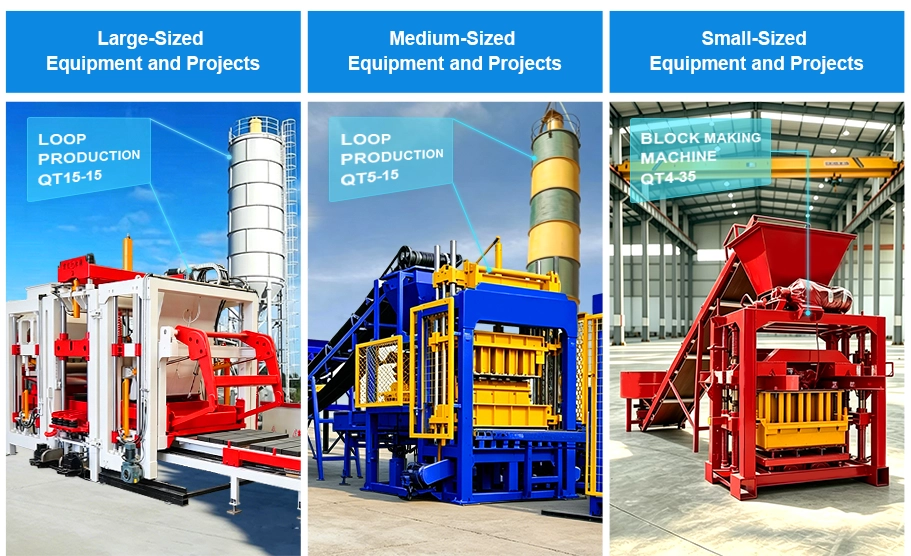
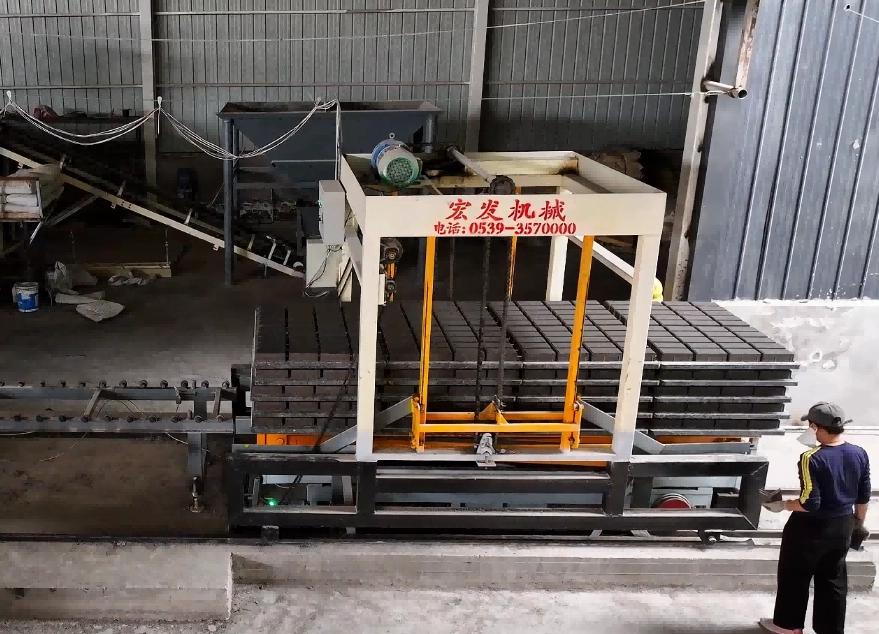
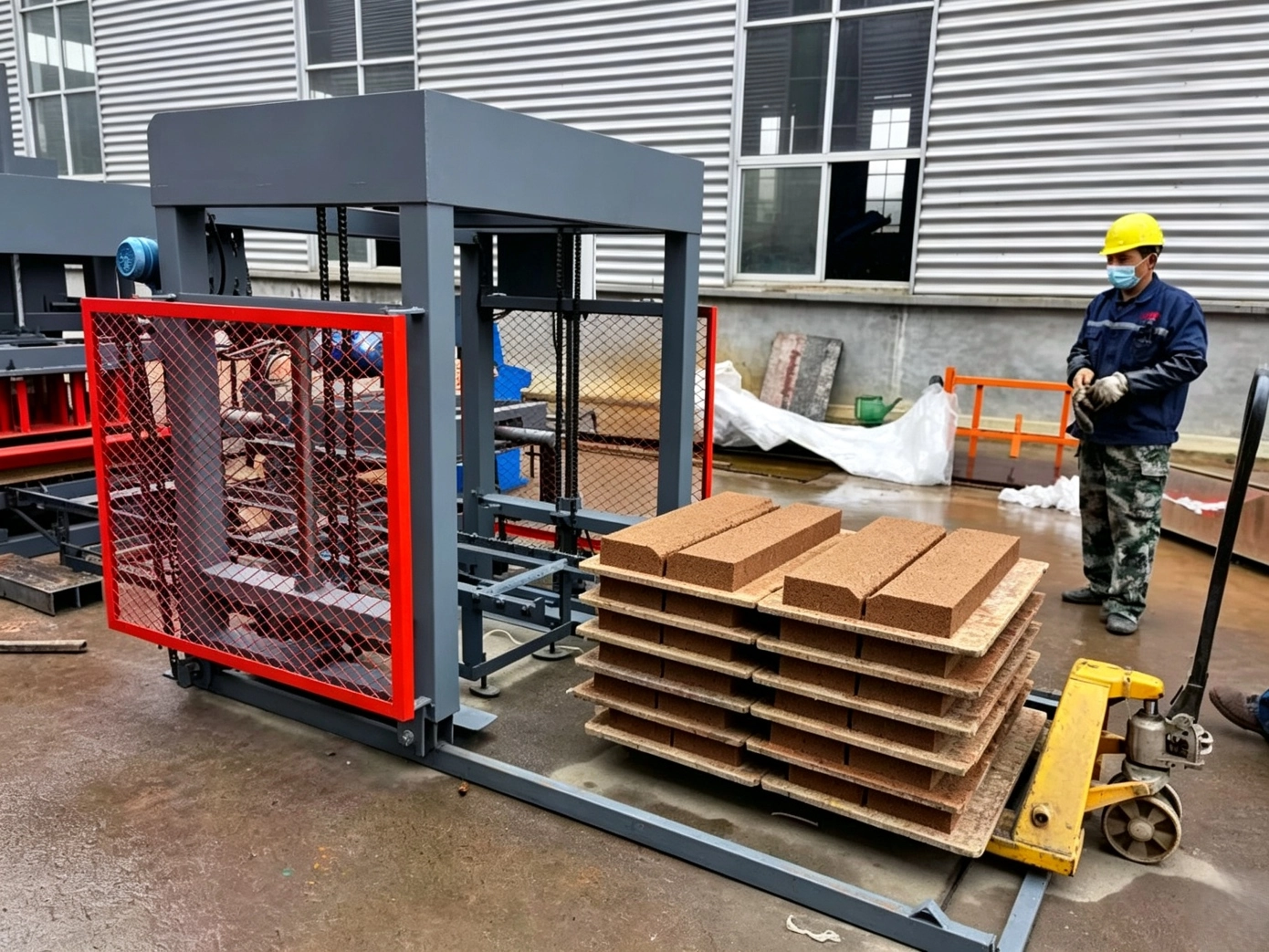
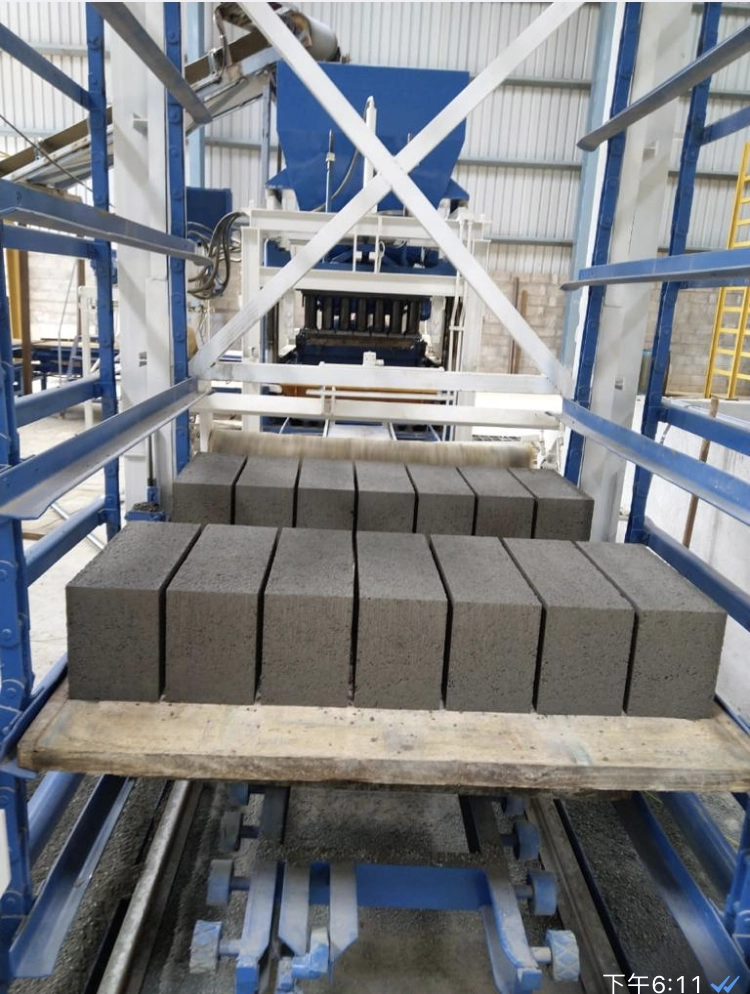
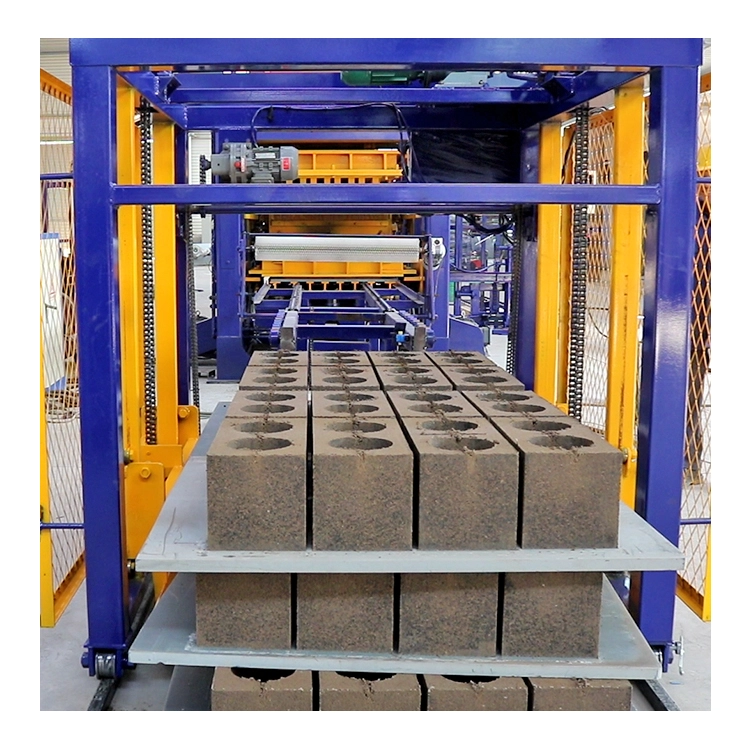
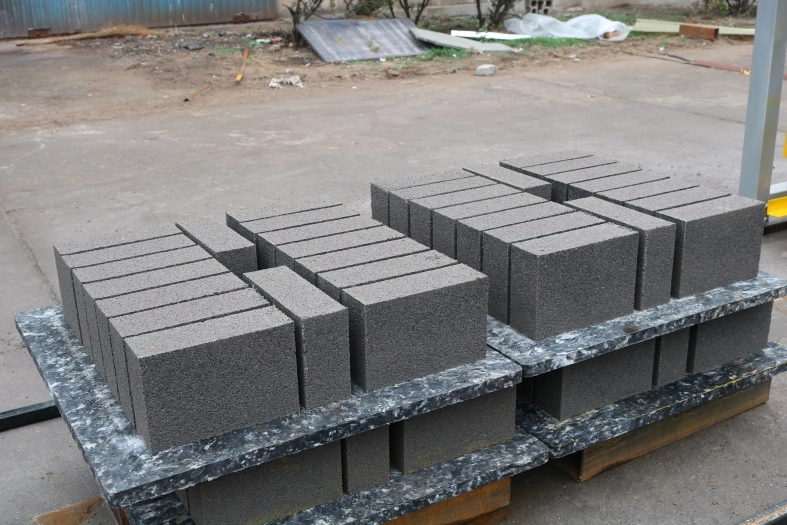
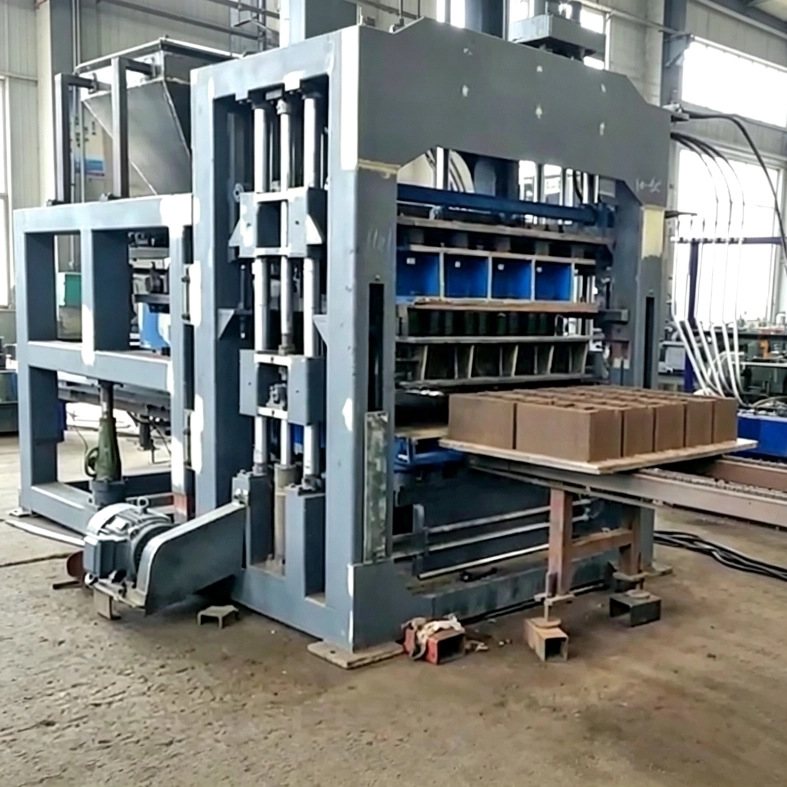
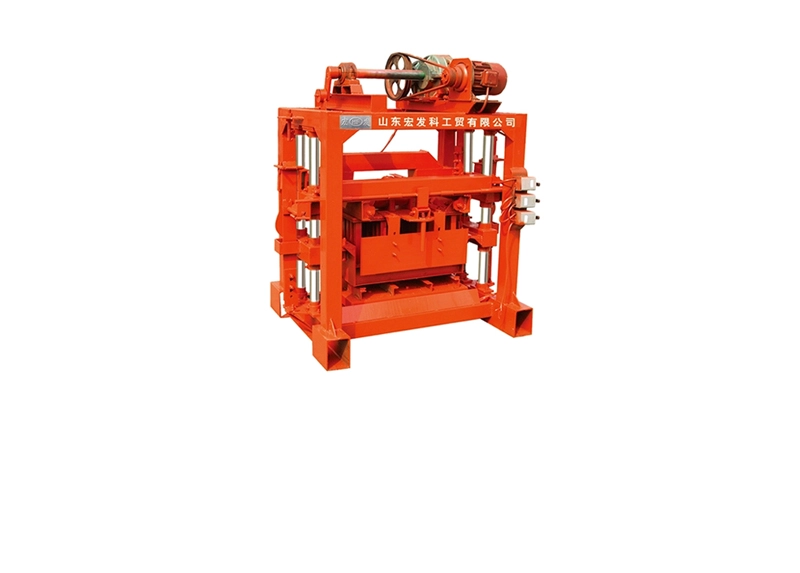
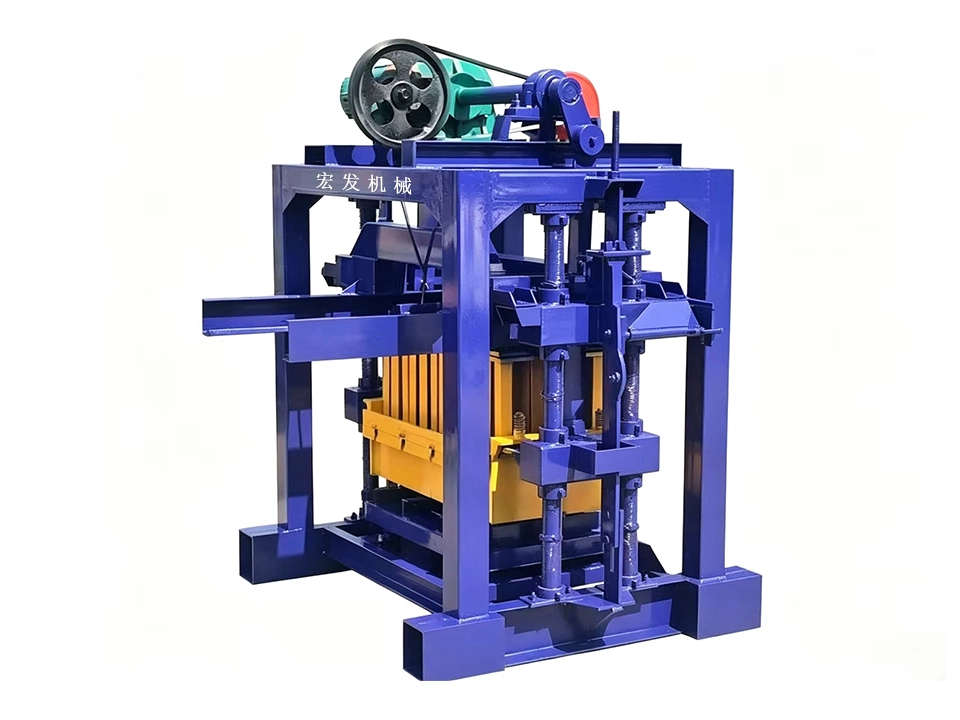
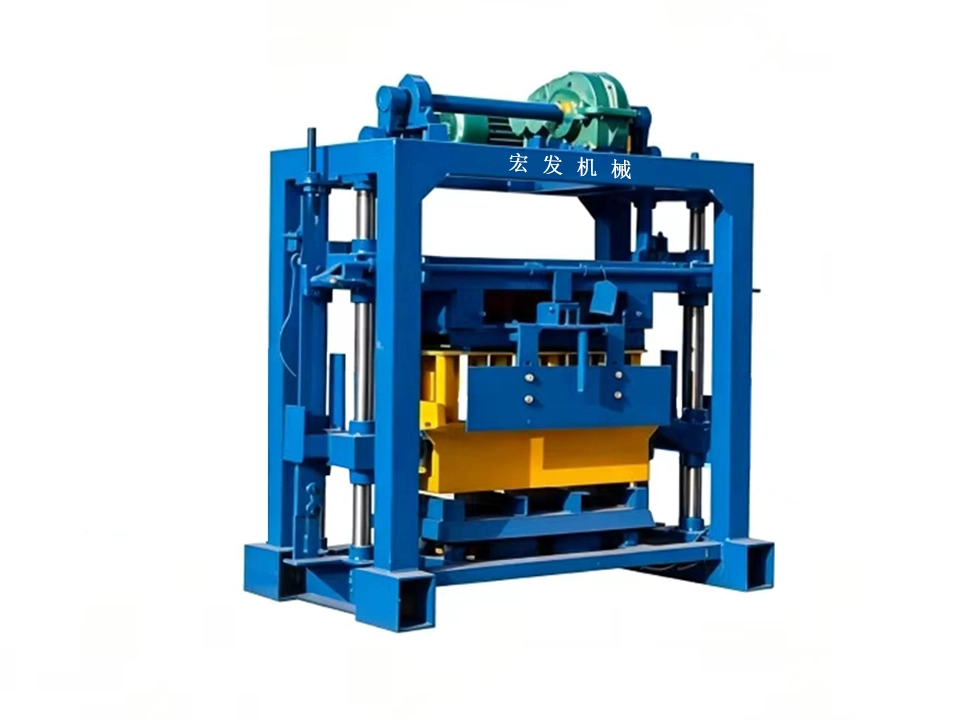
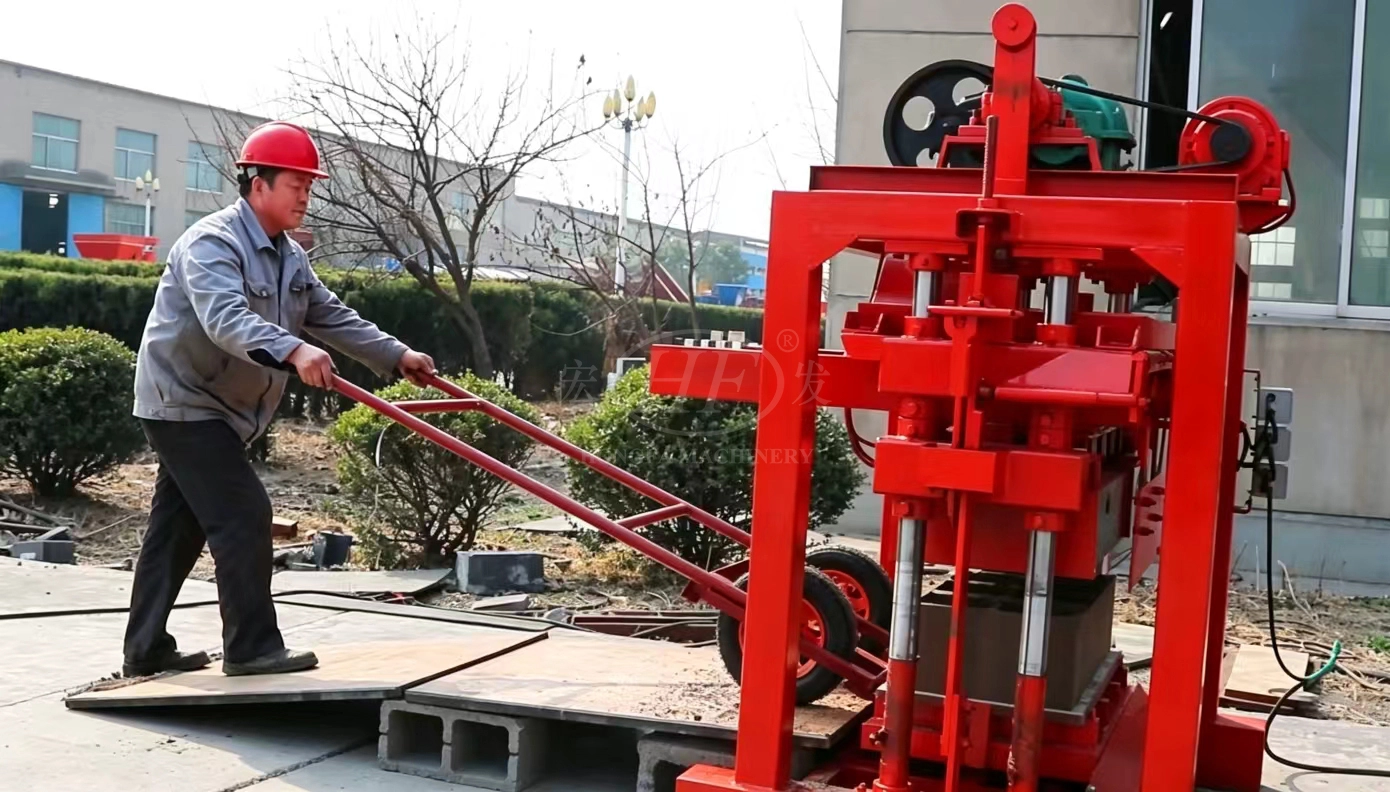
The QTJ4‑40B2 semi‑automatic concrete block making machine, also referred to as QTJ4‑40B2 block making machine, is a fixed table‑vibration brick‑forming equipment independently developed by Shandong Hongfa. It supports standalone running or can be combined with a 350‑type mixer and belt conveyor to build a complete compact production line following the standard production workflow shown in the process diagram. Built around mechatronic integrated control, the machine features proven and stable overall mechanical structure. Specially tailored for small workshops, family‑run startups and small building‑material factories across Africa, Southeast Asia and other emerging markets, this cost‑effective block‑making solution helps new market participants step into concrete block production without heavy upfront investment, and delivers qualified blocks for rural housing, municipal road and slope‑protection related construction projects.
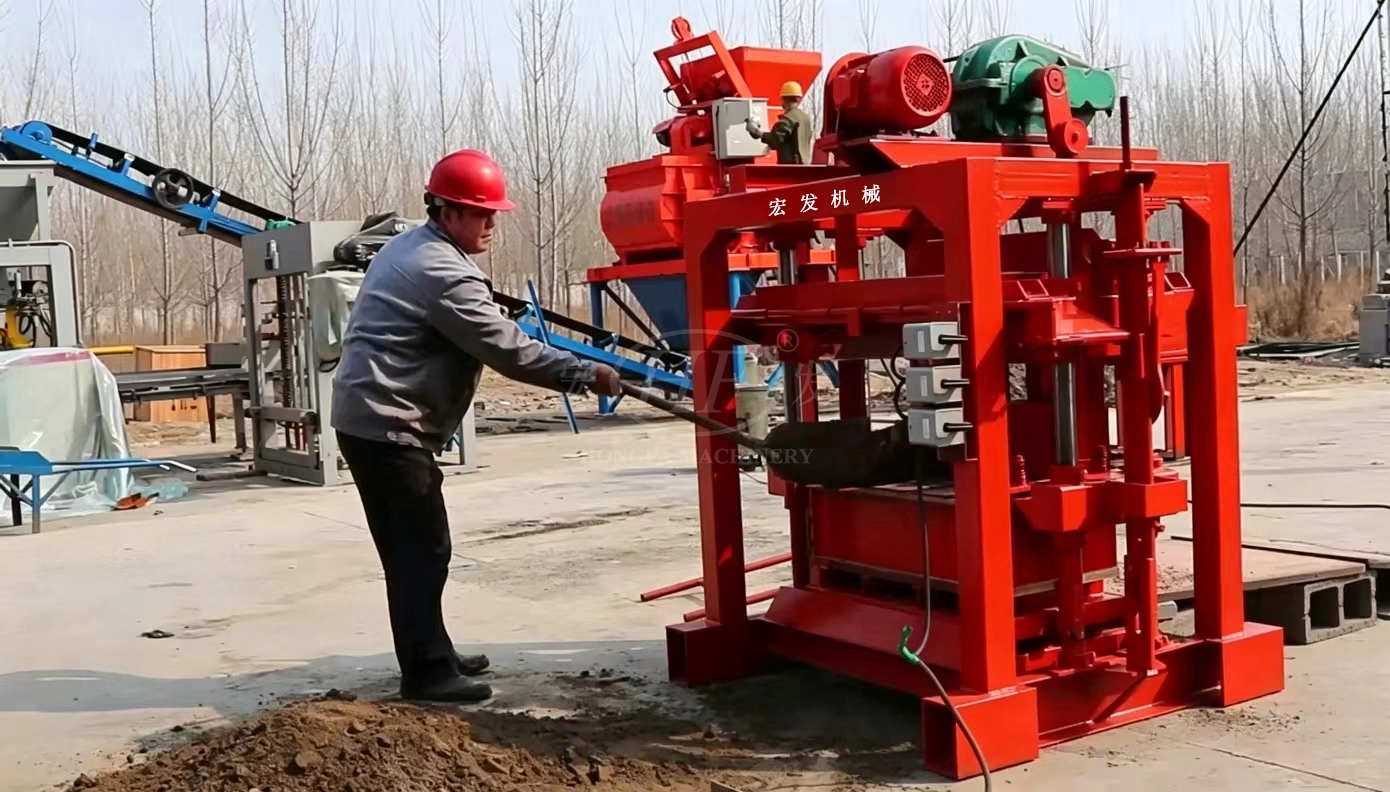
2. Synchronized Dual‑vibration System for High‑density, Low‑defect Finished Blocks
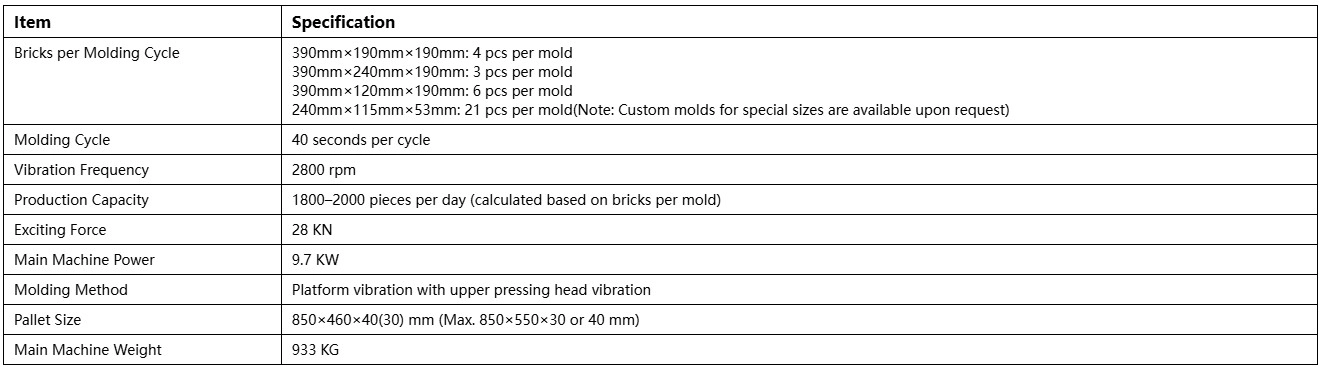
Fitted with an independent dedicated vibration unit consisting of two 3KW bottom vibrators and one 1.5KW upper vibrator, the QTJ4‑40B2 reaches total power of 9.7KW, 28KN exciting force and a vibration frequency of 2800rpm. It adopts platform‑vibration feeding together with upper‑head pressing vibration mode, enabling even material distribution inside every mould cavity throughout the forming cycle. Each complete molding process takes only 40 seconds, delivering stable daily output ranging from 1,800 to 2,000 blocks. Operators can extend synchronous vibration for additional 2‑3 seconds right before demoulding, which effectively mitigates common product defects including brick cracking, material sticking to moulds and chipped edges. Final finished blocks feature consistent strength, high compactness and smooth surface finish, greatly lowering reject rate and raw‑material waste during mass‑volume production for paving bricks, hollow blocks and standard solid bricks.
3. Versatile Raw‑material Compatibility to Reduce Overall Production Expenses
This semi‑automatic concrete block machine avoids heavy dependence on high‑cost pure cement by making full use of abundant local low‑cost aggregates. Acceptable raw materials cover river sand, stone dust, gravel, crushed brick debris, fly ash, ceramsite and recycled construction waste residues. Brick manufacturers can recycle locally‑sourced industrial solid waste as production feedstock instead of purchasing expensive transported aggregates, which significantly cuts down expenditure on raw‑material procurement and long‑distance logistics. Meanwhile, the production pattern complies with global environmental regulations for solid‑waste recycling, allowing small‑size brick plants to achieve eco‑friendly block‑making without extra complicated supporting facilities and improve overall profit margin of finished concrete products.
4. Heavy‑duty Gantry Frame & Optimized Lifting Structure for Extended Service Life
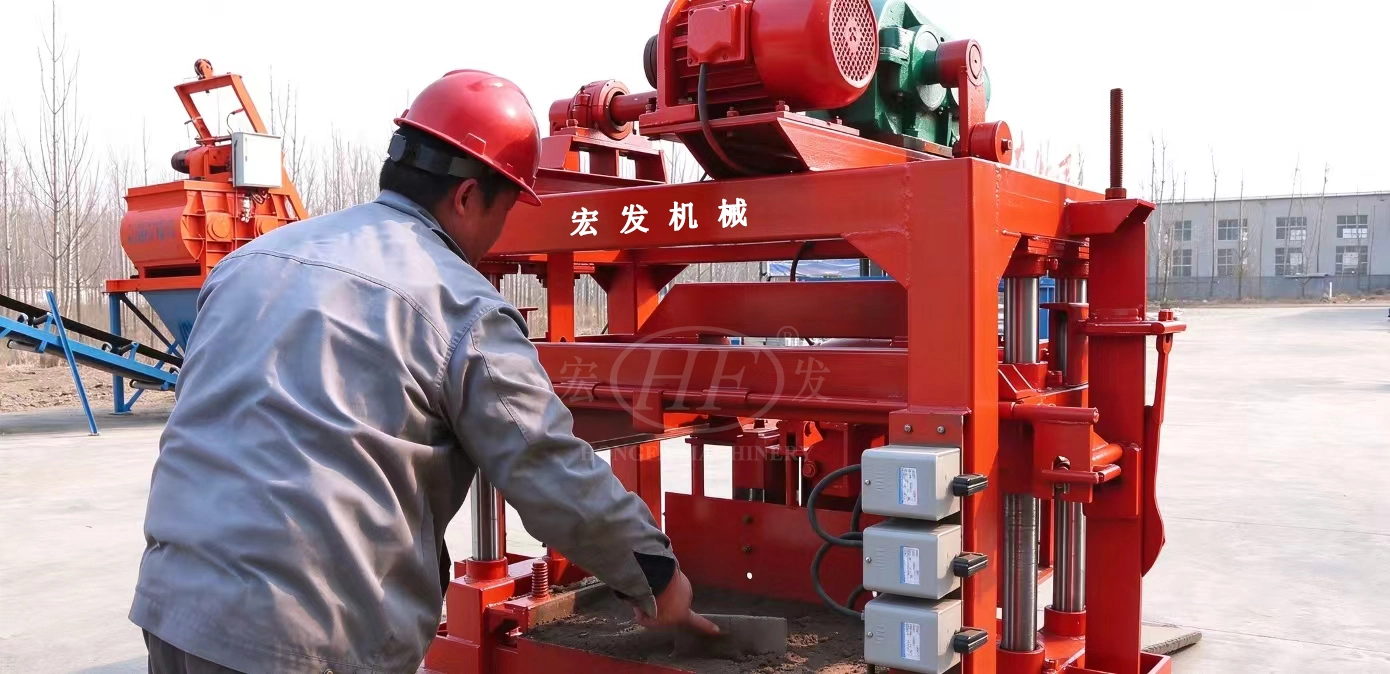
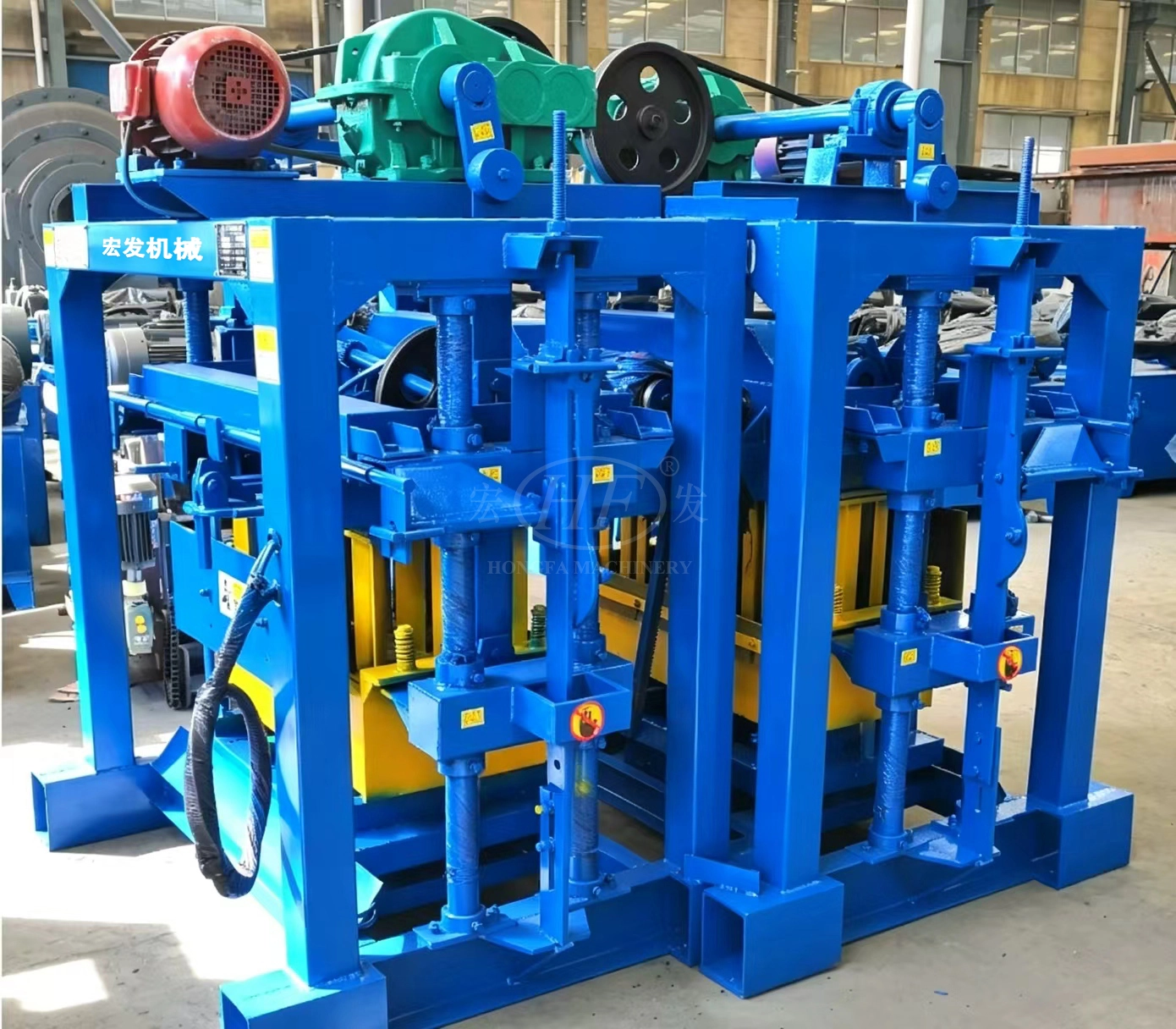
Constructed with heavy‑duty gantry steel frame plus four vertical‑shaft guiding assemblies equipped with wear‑resistant sliding sleeves, the equipment guarantees precise positioning for both moulds and pressing heads. Its integrated lifting assembly includes cone‑rotor lifting motor, JZQ250 reducer, rocker arms, positioning pins and hanging‑pin self‑locking units. Chain‑driven transmission enables steady parallel lifting movement of the lower mould, while the suspended upper mould will be automatically locked by positioning pins to prevent positional offset during continuous operation. All core force‑bearing components are thickened and reinforced to resist structural deformation under long‑term high‑frequency vibration. Such robust mechanical design reduces unexpected mechanical jamming and component damage, laying a solid foundation for non‑stop daily production in harsh on‑site working conditions.
5. Convenient Mould Switching & Flexible Multi‑specification Production Capacity
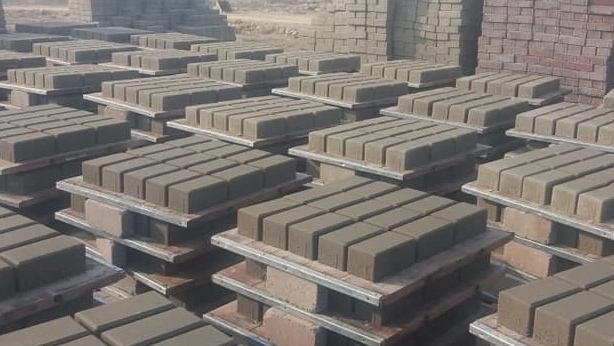
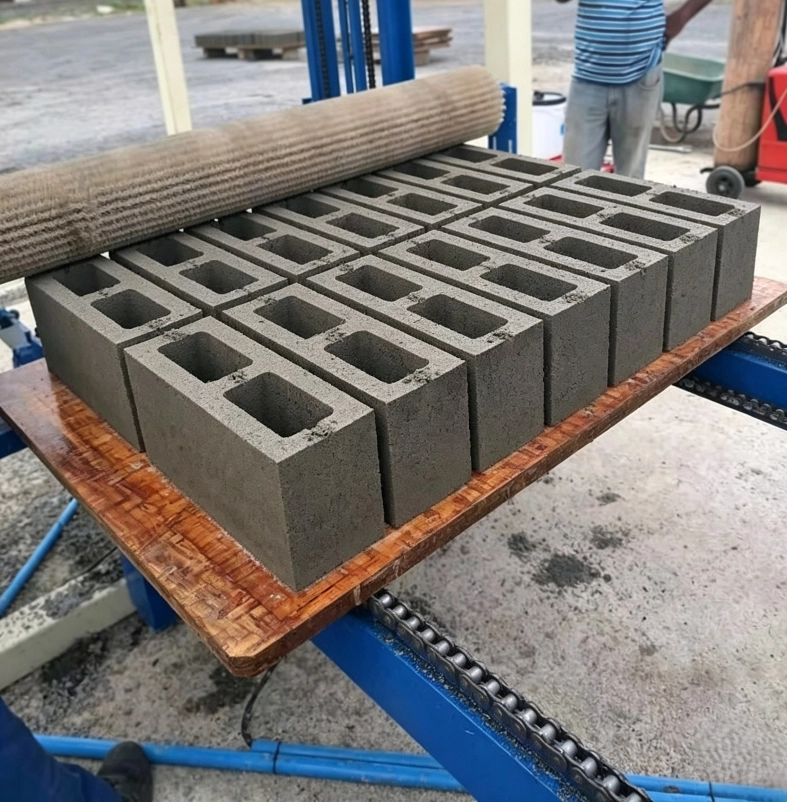
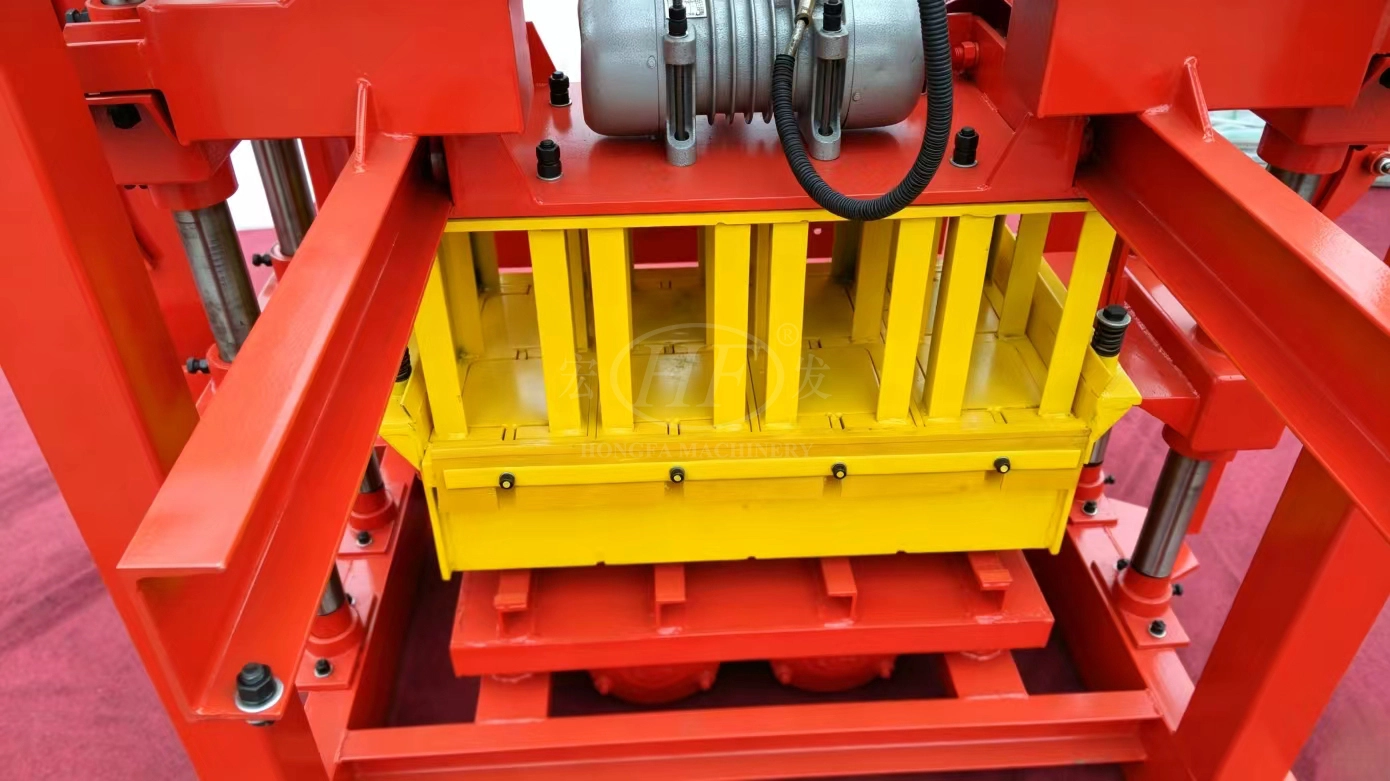
Users can realize multi‑product manufacturing simply by replacing mould sets on this single host unit. It is capable of producing standard hollow blocks, thin partition blocks, heavy‑load bearing blocks as well as 240×115×53 solid standard bricks, and custom‑built non‑standard moulds are available to satisfy special local project requirements. The positioning stand rods can be quickly adjusted by modifying screw‑hole positions to match different mould heights. Full disassembly and reassembly for upper and lower moulds can be completed by merely one or two operators assisted with a small forklift, without complicated specialized tools. High efficiency of mould replacement improves production flexibility, so small brick yards are able to handle mixed orders for housing construction, pedestrian paving and slope‑protection projects, maximizing return on existing factory space and equipment investment.
6. Low Operation Threshold, Simple Installation & Reliable Long‑term Operation
All core production actions including feeding, vibration forming and demoulding are controlled via straightforward electric switches. Staff without professional mechanical background can grasp the complete operating workflow after short‑period on‑site training. Supporting operation documentation provides clear regular‑maintenance guidance and fault‑handling references: lubrication points require routine refilling per shift, vibrators only need inspection every three weeks, and loose connection bolts can be tightened directly on site. Most frequent‑occurring issues such as uneven brick height, mould jamming and insufficient block density can be resolved by local workers, removing the necessity of waiting for overseas after‑sales support and minimizing unplanned production downtime. For installation, only flat solid ground and standard three‑phase power supply fitted with leakage protector are required; mixers can be arranged at a 90‑degree side layout for flexible site adaptation. The machine supports pallet dimension of 850×460×30/40 mm (max 850×550×30/40 mm) with net weight of 933KG. Complete safety guidelines are supplied, covering mandatory host earthing, noise‑protection suggestions and protective‑net requirements for mixer feed inlets. Stable supply of original wearing spare parts keeps long‑run maintenance costs under good control. Whether you are a new entrepreneur entering building‑material sector or an existing small brick yard upgrading outdated equipment, this multi‑functional QTJ4‑40B2 block machine serves as a low‑risk investment option for steady block supply of rural housing and small municipal projects.
1. Cost‑effective Entry‑level Block Equipment for Small‑scale Overseas Producers
The QTJ4‑40B2 semi‑automatic concrete block making machine, also referred to as QTJ4‑40B2 block making machine, is a fixed table‑vibration brick‑forming equipment independently developed by Shandong Hongfa. It supports standalone running or can be combined with a 350‑type mixer and belt conveyor to build a complete compact production line following the standard production workflow shown in the process diagram. Built around mechatronic integrated control, the machine features proven and stable overall mechanical structure. Specially tailored for small workshops, family‑run startups and small building‑material factories across Africa, Southeast Asia and other emerging markets, this cost‑effective block‑making solution helps new market participants step into concrete block production without heavy upfront investment, and delivers qualified blocks for rural housing, municipal road and slope‑protection related construction projects.
2. Synchronized Dual‑vibration System for High‑density, Low‑defect Finished Blocks
Fitted with an independent dedicated vibration unit consisting of two 3KW bottom vibrators and one 1.5KW upper vibrator, the QTJ4‑40B2 reaches total power of 9.7KW, 28KN exciting force and a vibration frequency of 2800rpm. It adopts platform‑vibration feeding together with upper‑head pressing vibration mode, enabling even material distribution inside every mould cavity throughout the forming cycle. Each complete molding process takes only 40 seconds, delivering stable daily output ranging from 1,800 to 2,000 blocks. Operators can extend synchronous vibration for additional 2‑3 seconds right before demoulding, which effectively mitigates common product defects including brick cracking, material sticking to moulds and chipped edges. Final finished blocks feature consistent strength, high compactness and smooth surface finish, greatly lowering reject rate and raw‑material waste during mass‑volume production for paving bricks, hollow blocks and standard solid bricks.
3. Versatile Raw‑material Compatibility to Reduce Overall Production Expenses
This semi‑automatic concrete block machine avoids heavy dependence on high‑cost pure cement by making full use of abundant local low‑cost aggregates. Acceptable raw materials cover river sand, stone dust, gravel, crushed brick debris, fly ash, ceramsite and recycled construction waste residues. Brick manufacturers can recycle locally‑sourced industrial solid waste as production feedstock instead of purchasing expensive transported aggregates, which significantly cuts down expenditure on raw‑material procurement and long‑distance logistics. Meanwhile, the production pattern complies with global environmental regulations for solid‑waste recycling, allowing small‑size brick plants to achieve eco‑friendly block‑making without extra complicated supporting facilities and improve overall profit margin of finished concrete products.
4. Heavy‑duty Gantry Frame & Optimized Lifting Structure for Extended Service Life
Constructed with heavy‑duty gantry steel frame plus four vertical‑shaft guiding assemblies equipped with wear‑resistant sliding sleeves, the equipment guarantees precise positioning for both moulds and pressing heads. Its integrated lifting assembly includes cone‑rotor lifting motor, JZQ250 reducer, rocker arms, positioning pins and hanging‑pin self‑locking units. Chain‑driven transmission enables steady parallel lifting movement of the lower mould, while the suspended upper mould will be automatically locked by positioning pins to prevent positional offset during continuous operation. All core force‑bearing components are thickened and reinforced to resist structural deformation under long‑term high‑frequency vibration. Such robust mechanical design reduces unexpected mechanical jamming and component damage, laying a solid foundation for non‑stop daily production in harsh on‑site working conditions.
5. Convenient Mould Switching & Flexible Multi‑specification Production Capacity
Users can realize multi‑product manufacturing simply by replacing mould sets on this single host unit. It is capable of producing standard hollow blocks, thin partition blocks, heavy‑load bearing blocks as well as 240×115×53 solid standard bricks, and custom‑built non‑standard moulds are available to satisfy special local project requirements. The positioning stand rods can be quickly adjusted by modifying screw‑hole positions to match different mould heights. Full disassembly and reassembly for upper and lower moulds can be completed by merely one or two operators assisted with a small forklift, without complicated specialized tools. High efficiency of mould replacement improves production flexibility, so small brick yards are able to handle mixed orders for housing construction, pedestrian paving and slope‑protection projects, maximizing return on existing factory space and equipment investment.
6. Low Operation Threshold, Simple Installation & Reliable Long‑term Operation
All core production actions including feeding, vibration forming and demoulding are controlled via straightforward electric switches. Staff without professional mechanical background can grasp the complete operating workflow after short‑period on‑site training. Supporting operation documentation provides clear regular‑maintenance guidance and fault‑handling references: lubrication points require routine refilling per shift, vibrators only need inspection every three weeks, and loose connection bolts can be tightened directly on site. Most frequent‑occurring issues such as uneven brick height, mould jamming and insufficient block density can be resolved by local workers, removing the necessity of waiting for overseas after‑sales support and minimizing unplanned production downtime. For installation, only flat solid ground and standard three‑phase power supply fitted with leakage protector are required; mixers can be arranged at a 90‑degree side layout for flexible site adaptation. The machine supports pallet dimension of 850×460×30/40 mm (max 850×550×30/40 mm) with net weight of 933KG. Complete safety guidelines are supplied, covering mandatory host earthing, noise‑protection suggestions and protective‑net requirements for mixer feed inlets. Stable supply of original wearing spare parts keeps long‑run maintenance costs under good control. Whether you are a new entrepreneur entering building‑material sector or an existing small brick yard upgrading outdated equipment, this multi‑functional QTJ4‑40B2 block machine serves as a low‑risk investment option for steady block supply of rural housing and small municipal projects.

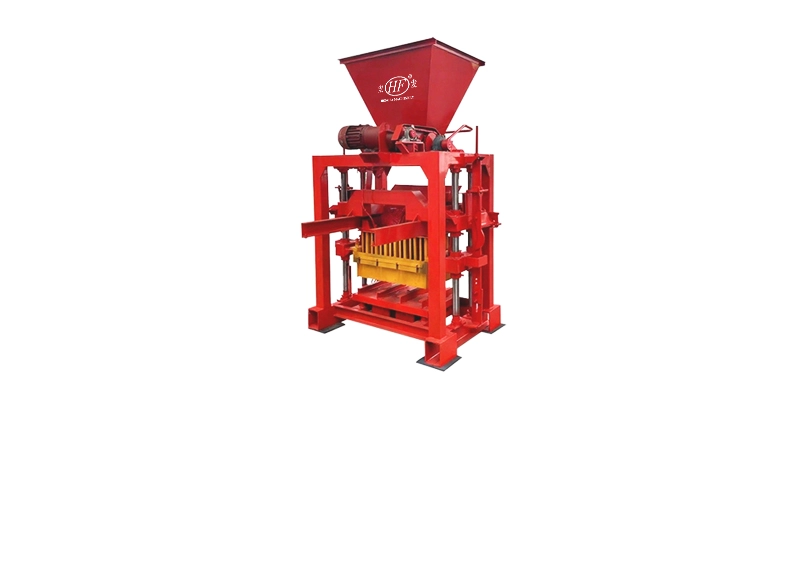 QTJ4-35B2 Semi-automatic Concrete Cement Block Making Machine
QTJ4-35B2 semi-automatic concrete cement block making machine can work independently or form a simple production line ma...

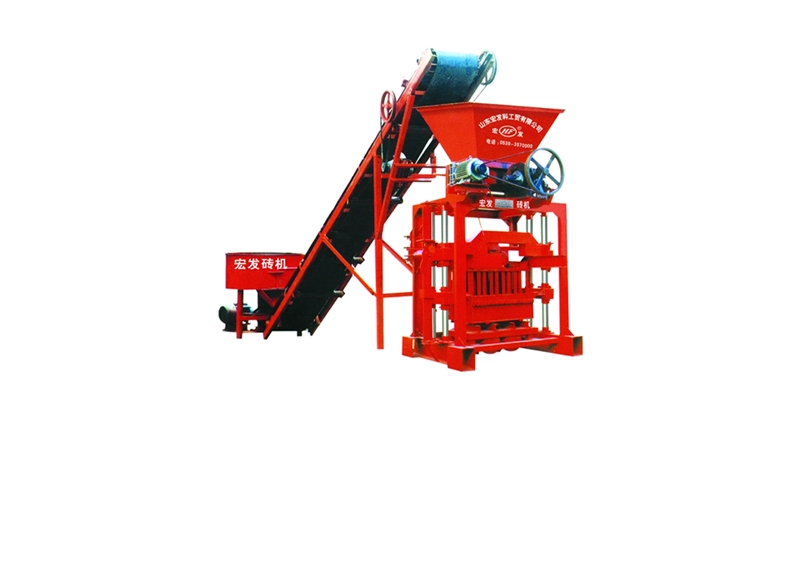 QTJ4-35B2 Semi-automatic Concrete Block Machine
This QTJ4-35B2 semi-automatic concrete block machine is a low cost manual concrete machine ideal for small business star...
QTJ4-35B2 Semi-automatic Hollow Block Making Machine
QTJ4-35B2 Semi-automatic hollow block making machine is a simple table-vibration block making machine. It can operate i...
Shandong Hongfa Scientific Industrial&Trading Co.,Ltd ©️2026Copyright © LU ICP B 16041216-4